
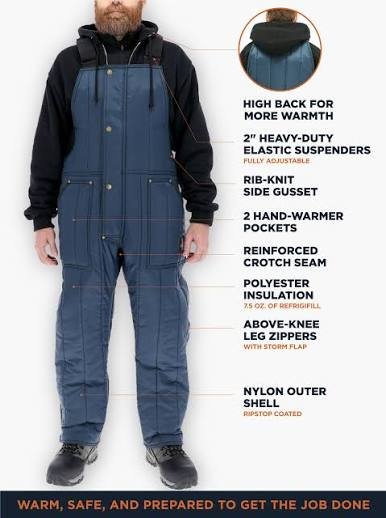
How to Choose Beer Cooler Overalls: Insulation, Fit, and Features That Matter
Beer cooler overalls combine the hands-free convenience of a bib-style garment with built-in insulated pockets designed to keep your drinks cold while you work, fish, or tailgate. Choosing the right pair means balancing insulation performance, pocket capacity, fabric durability, and fit—especially if you plan to wear them over layers in cold weather or solo during warmer months.
We built our line around real-world feedback from anglers, backyard grill masters, and job-site crews who needed gear that could handle both the physical demands of outdoor work and the social side of long days outside. This guide walks through the core considerations so you can match features to your actual use case, whether that’s all-day fishing trips, weekend campouts, or simply keeping your hands free at the next barbecue.
Insulation Type and Cooling Performance
The pocket insulation determines how long your drinks stay cold, and not all foam performs the same. Closed-cell foam—the dense, waterproof kind used in premium coolers—offers the best temperature retention, often keeping cans cold for several hours even in direct sun. Open-cell foam is lighter and cheaper but absorbs moisture and loses effectiveness faster.
Most beer cooler overalls use layered closed-cell insulation in the chest pockets, with thickness ranging from 6mm to 12mm. Thicker foam means better performance but also adds bulk, so consider whether you prioritize maximum cooling or a slimmer profile under a jacket. For all-day events in hot climates, look for at least 10mm of insulation; for cooler weather or shorter outings, 6-8mm usually suffices.
Some designs include a waterproof liner inside the pocket to prevent condensation from soaking through to your base layer. If you’ll be wearing the overalls for extended periods or in humid conditions, that liner is worth the extra cost—it keeps the insulation dry and your shirt comfortable.
Sizing, Adjustability, and Layering Compatibility
Bib and Strap Adjustments
Overalls rely on shoulder straps and side adjusters to accommodate different torso lengths and layering thickness. Elastic side panels let you expand the waist when wearing a hoodie or fleece underneath, while fixed-width bibs can bind if you size up for layers. Look for at least 3 inches of adjustment range in the shoulder straps—some models use sliding metal hardware, others use snap positions.
Inseam and Leg Fit
Unlike regular work overalls, beer cooler versions are often worn casually, so the leg cut matters for both mobility and style. A relaxed fit through the thigh and knee works best if you’ll be sitting on a tailgate or crouching by a campfire. Reinforced knees add durability but can feel stiff when new, so try on a pair and squat a few times to check range of motion.
For those comparing fit across our catalog, the construction principles we apply to our men’s collection and women’s collection carry over here—adjustable straps, articulated knees, and gusseted crotches that move with you rather than against you.
Pocket Capacity, Placement, and Access
Chest pockets are the signature feature, but capacity and positioning vary widely. Standard designs hold two 12-ounce cans, one per pocket, positioned high enough that you can grab a drink without bending forward. Larger models fit 16-ounce tallboys or even 20-ounce bottles, but the extra weight can pull the straps down if the bib isn’t reinforced.
Some overalls add secondary pockets at the waist or thigh for snacks, tools, or your phone. These are usually uninsulated but still useful—just make sure they’re deep enough that items don’t fall out when you sit. Magnetic or snap closures on the chest pockets keep cans secure during movement, though zippers offer the tightest seal if you’re worried about spills on rough terrain.
The Harvard School of Public Health’s guidelines on beverage consumption note that keeping drinks cold also slows bacterial growth in non-alcoholic options like juice or sports drinks, making insulated pockets a practical feature beyond just beer.
Fabric Durability and Weather Resistance
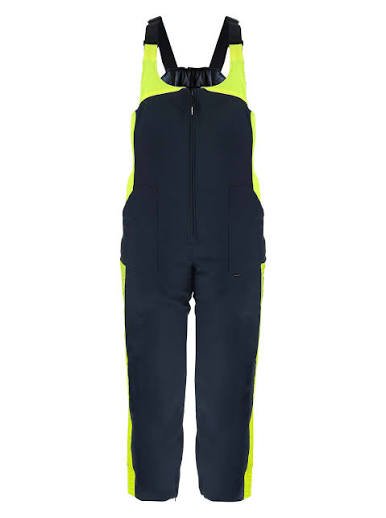
Canvas and denim are traditional choices for overalls, offering abrasion resistance and a broken-in feel over time. For beer cooler overalls, though, you’ll often see blends that add ripstop nylon or polyester for lighter weight and faster drying. Pure cotton soaks up spills and takes hours to dry; a 60/40 cotton-poly blend sheds moisture better while still breathing during active use.
Reinforced stitching at stress points—crotch, knees, pocket corners—is non-negotiable if you plan to wear these regularly. Bar-tack stitches and double-needle seams hold up to the weight of full pockets and the constant flexing of outdoor movement. Check the knees and seat for extra fabric layers or integrated padding, especially if you’ll be kneeling on gravel or sitting on metal bleachers.
Water resistance is a bonus, not a necessity, unless you’ll be wearing the overalls in wet conditions. A DWR (durable water repellent) finish helps light rain bead off, but it wears away with washing and doesn’t replace true waterproofing. For serious rain protection, layer a shell over the top rather than relying on treated fabric alone.
Style Variations and Intended Use Cases
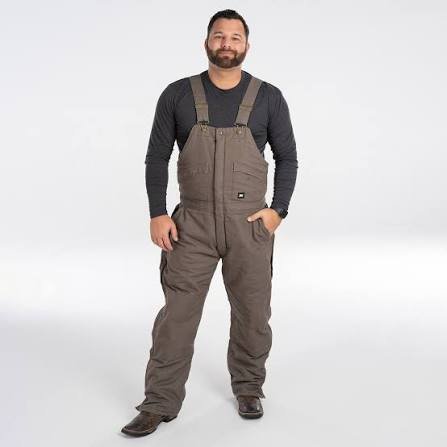
Beer cooler overalls come in silhouettes ranging from traditional bib styles to cropped, shortall versions for warm-weather use. Full-length models work best for cooler climates or jobs where leg coverage matters—think early-season fishing or fall tailgates. Shortalls, typically cut to mid-thigh, keep you cooler in summer but sacrifice pocket space on the legs.
Color and branding also factor in depending on whether you’re wearing these to a casual event or using them as functional workwear. Neutral tones like khaki, navy, and charcoal blend in at job sites and blend well with layers, while brighter colors or logo patches make a statement at festivals and sporting events. Our original overalls lean toward classic workwear aesthetics, but the beer cooler variants add playful details like contrast stitching or novelty patches without compromising durability.
For general background on how to choose beer cooler overalls as part of a broader category of insulated outdoor apparel, this overview explains the design philosophy behind combining functionality with casual style.
Matching Features to Your Outdoor Routine
The right beer cooler overalls balance insulation thickness, pocket capacity, and fabric durability against your typical use case—whether that’s a weekend camping trip, a full day at the lake, or just keeping your hands free at the next backyard cookout. Prioritize closed-cell foam insulation for serious cooling performance, adjustable straps for layering flexibility, and reinforced construction if you’ll be wearing them hard.
Try on a pair with the layers you’d actually wear underneath, load the pockets with a couple of cans to test the weight distribution, and move through a full range of motion to check for binding or gaps. The best overalls are the ones you’ll actually reach for when you’re heading out the door, not the ones that sit in the closet because they’re too bulky, too tight, or too fussy to bother with.
Notes
Most models are machine washable on a gentle cycle with cold water, but check the care tag first. Remove any detachable insulation panels if the design allows it, and air-dry rather than using a dryer to prevent foam from breaking down. Avoid bleach or fabric softener, which can degrade both the outer fabric and the insulation.
Yes, the same closed-cell foam that keeps cold drinks cold also retains heat for coffee or tea, though performance is best with vacuum-sealed thermoses rather than paper cups. Expect a couple of hours of warmth in moderate conditions, less in freezing weather.
Beer cooler overalls prioritize accessible chest pockets designed specifically for drink storage, often with secure closures and waterproof liners. Regular insulated bibs focus on body warmth and tool storage, with fewer specialized pockets and thicker overall insulation that can make them too warm for casual use in mild weather.
Measure the diameter of your typical drink container and compare it to the pocket dimensions listed in the product specs. Standard 12-ounce cans are about 2.6 inches in diameter, while tallboys and bottles can exceed 3 inches. If measurements aren’t provided, customer reviews often mention whether larger formats fit.
That depends on the construction quality and your job requirements. Models with reinforced knees, heavy-duty zippers, and durable outer fabric hold up to light construction, landscaping, or mechanical work. If you need flame resistance, high-visibility features, or specific safety certifications, though, dedicated work overalls are a better choice.
Yes, as long as you size up to accommodate the extra bulk. Look for models with at least 4 inches of total adjustment in the side straps and shoulder hardware, and opt for a relaxed fit through the legs. Layering a thermal base and midweight fleece underneath is common for cold-weather tailgates or ice fishing.